
Is your child getting the reading help they need? What Arizona families should ask this school year
Aug 12, 2026
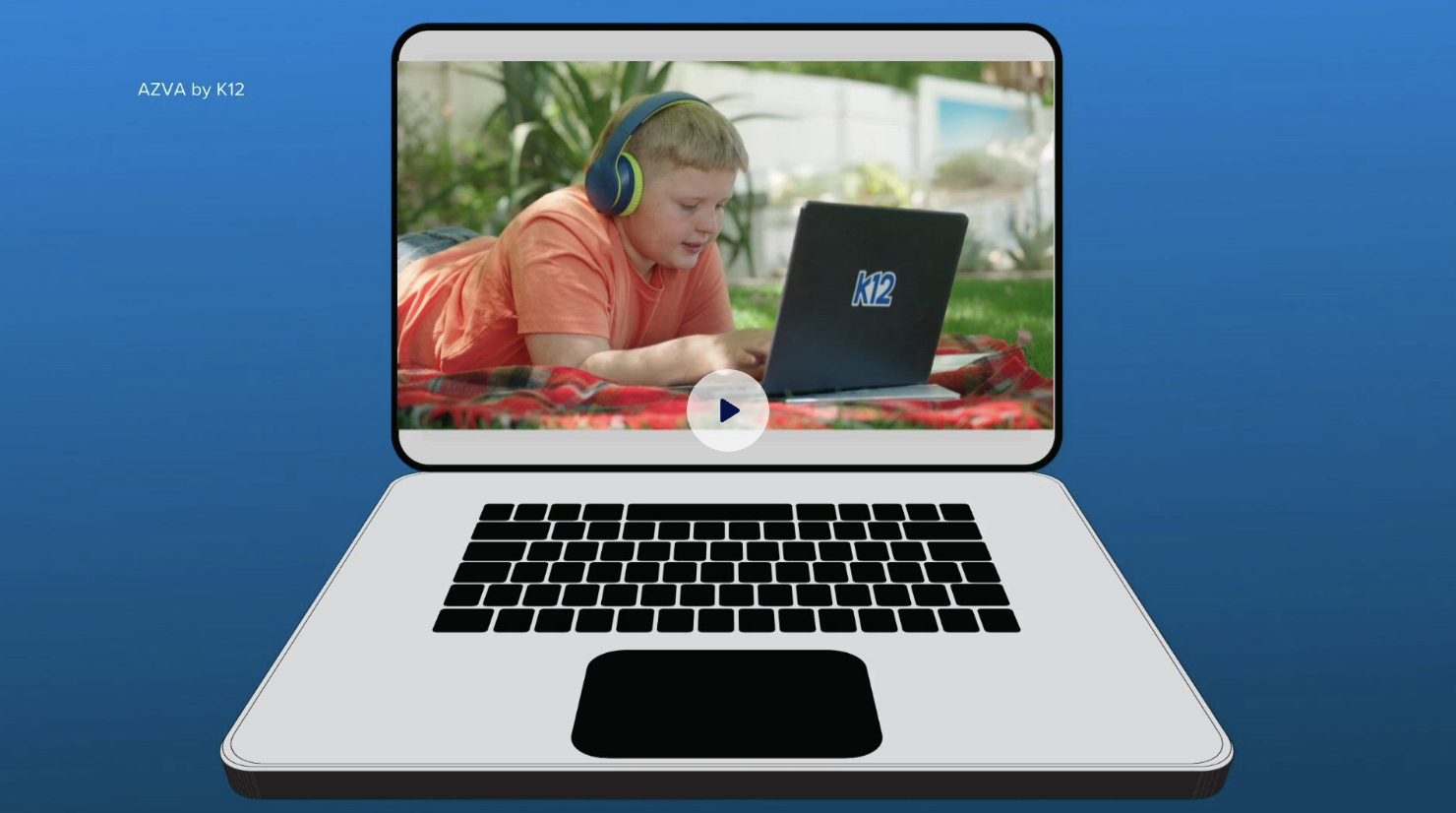
Reading proficiency is down in Arizona. One virtual school is overhauling its literacy approach and has questions every family should be asking.
TEMPE, Ariz. — As students head back to the classroom, reading is at the top of educators’ minds and for good reason. Proficiency rates in Arizona have been declining for years, and experts say what happens in the early grades shapes a child’s trajectory across every subject that follows.
At Arizona Virtual Academy (AZVA), a tuition-free public charter school, that reality is driving a significant shift in how the school approaches literacy instruction this year.
“It’s the thing that keeps me up at night,” said Forrest Smith, executive director of AZVA. “We need more kids that are better readers.”
It’s a challenge Smith doesn’t minimize and one he’s made the school’s top instructional priority heading into the new school year.
The school’s new approach centers on catching struggling readers sooner. Teachers now use regular reading screeners to track where each student is and where they’re falling behind. From there, instruction is tailored to individual needs.
Students reading above grade level can move ahead into more challenging material. Those who need more support receive targeted help from literacy specialists. Students can schedule up to 90 minutes per week of one-on-one tutoring, and those who need the most support receive an additional hour in small groups with their interventionist.
The focus starts in kindergarten through third grade, when early intervention has the greatest long-term impact, but Smith said the school can’t ease up after that.
“Kids seem to have a little bit of traction after third grade,” he said. “And then again decline in sixth and seventh, because the skills are a little bit different. You go from learning phonetic skills to more deeply enriching skills: how do you translate text and understand text.”
One emphasis that may surprise people: even in a fully virtual school, students still practice handwriting and work through paper-based assignments.
“We can’t forget that being able to physically write and learn your handwriting, we don’t forsake any of that just because we’re in the virtual world,” said Smith.
It’s a reminder that strong literacy instruction, online or in-person, depends on more than technology. The balance between screen time and physical practice matters, and schools that get it right tend to see better outcomes.
AZVA’s challenge is not unique. Reading proficiency is a statewide and national concern, and Smith’s strategy reflects an approach that literacy experts broadly support: screen early, intervene fast and personalize instruction rather than waiting for a child to fall further behind.
Every Arizona public school is required to have a K-3 literacy plan. But families don’t have to wait for a report card to find out whether their child is on track.
Here are five questions to ask your child’s teacher as they head back to school:
- How do you measure my child’s reading progress throughout the year?
- How often are students screened for reading difficulties?
- What happens if my child falls behind grade level?
- What intervention or specialist support is available?
- What can we do at home to reinforce what they’re learning in school?
This story is made possible through grant funding from the Arizona Local News Foundation’s Arizona Community Collaborative Fund.
>> Download the 12News app for the latest local breaking news straight to your phone.
Watch the 12News Streaming App for free
You can now watch 12News content anytime, anywhere, thanks to the 12News streaming app!
The free 12News streaming app from 12News lets users stream live events — including daily newscasts like “Today in AZ” and “12 News” and our daily lifestyle program, “Arizona Midday”—on Roku and Amazon Fire TV.
12News streaming showcases live video throughout the day for breaking news, local news, weather and even an occasional moment of Zen showcasing breathtaking sights from across Arizona.
Users can also watch on-demand videos of top stories, local politics, I-Team investigations, Arizona-specific features and vintage videos from the 12News archives.
Roku: Add the channel from the Roku store or by searching for “12 News KPNX.”
Amazon Fire TV: Search for “12 News KPNX” to find the free 12News streaming app to add to your account, or have the 12News streaming app delivered directly to your Amazon Fire TV through Amazon.com or the Amazon app.